
Jicama Growing Guide: Germination, Care, and Harvesting for Fresh, Home-Grown Tubers
Ready to grow your own crisp, refreshing jicama at home? Start with high-quality seeds and follow this germination method for the best results.
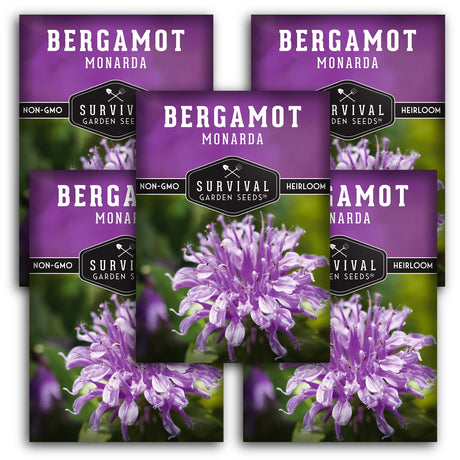
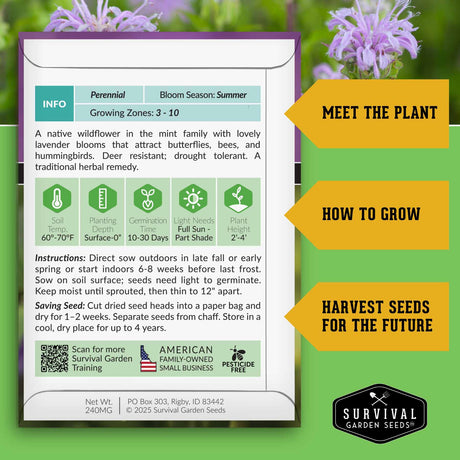
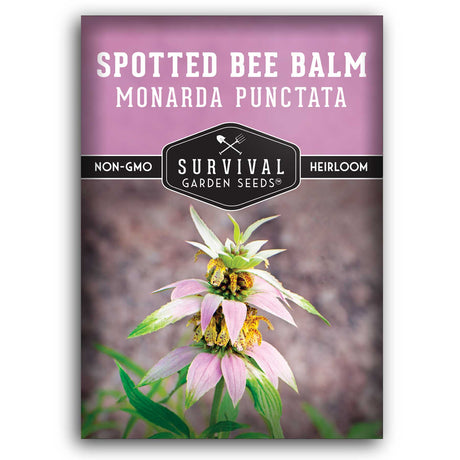


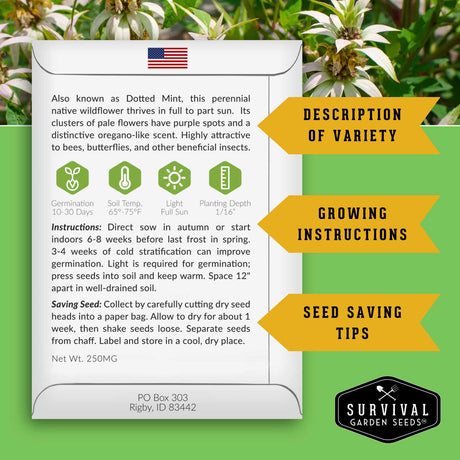
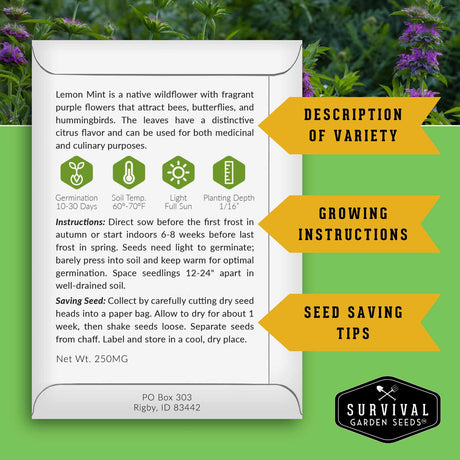
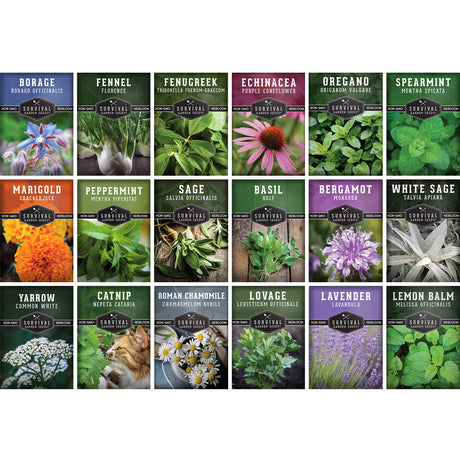
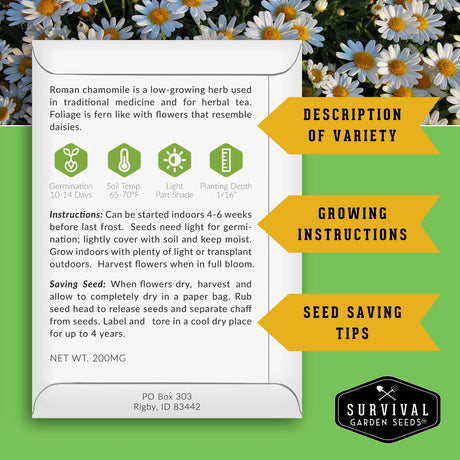
Heirloom seeds are the types of seeds your grandparents grew. These varieties have been passed down from generation to generation. They’re old reliable open-pollinated varieties that aren’t typically grown commercially. Instead, they have a rich history that predates modern breeding techniques. You can learn more about open-pollinated, heirloom, and non-GMO seeds in our Survival Garden Training blog.
Every seed packet includes a "packed for" date, and we germination test each seed lot before packaging to ensure you receive viable, high-quality seeds that are ready to grow.
No, we do not pre-treat our seeds. All of our garden seeds are untreated, open-pollinated, non-GMO, and heirloom varieties. They are kept in temperature-controlled cooler storage until they are packed and shipped to keep them pest and disease-free.
The seeds in our collections are specifically chosen from varieties that can be successfully grown from Zone 3 to Zone 10 USDA Hardiness Zones. However, individual varieties have specific needs to thrive in different environments. Each seed pack has optimal temperatures for germination and instructions on seed starting. Consult local frost dates to plan your garden and get the most out of your seeds.
Most seeds remain viable for 3 to 5 years or longer when stored properly. Check your seed packet for specific varieties. For best results, keep your seeds in a cool, dry place away from direct sunlight and moisture. Store them in an airtight container in a consistent temperature environment—a refrigerator or cool basement works well. Proper storage helps maintain germination rates and extends seed life well beyond the packed date.
The majority of our seeds are sourced in the United States, with a few exceptions when the seed is difficult to source domestically. Whenever we do have to source outside of the US, we ensure our seeds are safe to grow, non-GMO, heirloom varieties that meet our standards for germination and reliability.
Ready to grow your own crisp, refreshing jicama at home? Start with high-quality seeds and follow this germination method for the best results.

Planting native grasses is more than a landscaping choice; it is an act of restoration. These plants are a low-maintenance display that changes with the seasons.

Our Holiday Gift Bundles are some of the most thoughtful and meaningful presents you can give during the festive season.

The Balcony Garden Mini Set is designed for gardeners who want to grow fresh food, greenery, and color even when they do not have a traditional yard or ample outdoor...

The Indoor Microgreens Kit is designed for anyone who wants fast, fresh, and nutrient-rich greens grown directly inside their home.

The Survival Garden Seeds starter Kit is designed for gardeners who want reliability, resilience, and a secure foundation for growing food in any situation. While many seed collections focus on...

The Herb and Kitchen Garden Bundle is designed for anyone who loves cooking, creating fresh flavors, and adding natural aromas to everyday dishes

The Ultimate Heirloom Seed Vault is a collection created for gardeners who value authenticity, flavor, and heritage above everything else.